






Contact Information:
Published Content
The Top Five Ethical Changes You Can Make in Your Home Bathroom
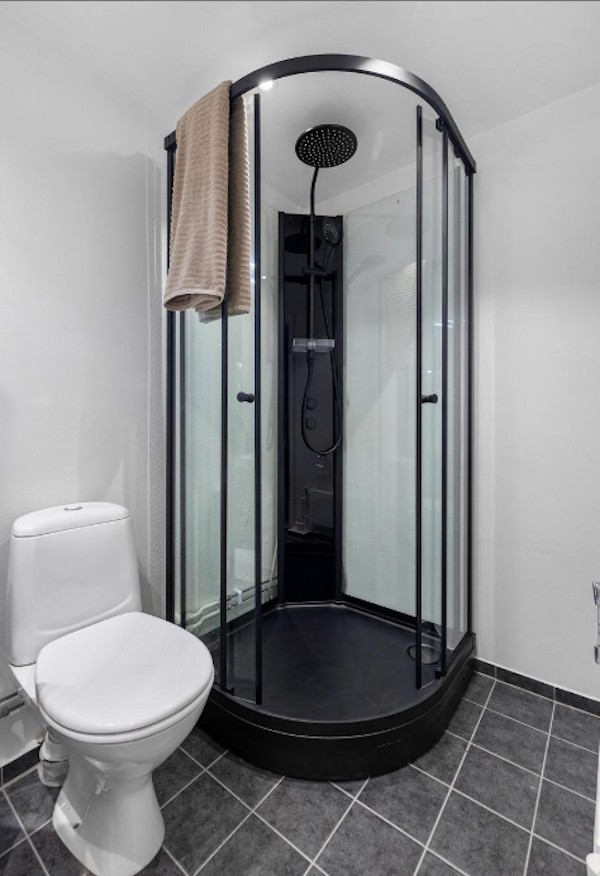
Ethical living often begins with small yet impactful changes, and your bathroom is a prime space to start. From reducing water waste to choosing eco-conscious materials, making your bathroom more ethical isn't just about going green; it's about aligning your living space with values that prioritise sustainability, health, and the welfare of others. Here are the top five ethical changes you can make in your bathroom today.
1. Install a Water-Saving Shower Cabin
One of the most effective ways to reduce your environmental footprint in the bathroom is to limit water consumption. Installing modern shower cabins equipped with a water-saving showerhead can help reduce usage significantly. Unlike traditional bathtubs, which can use over 100 litres per soak, a water-efficient shower cabin allows for quick, comfortable cleaning with minimal waste. Bonus: many cabins come with enclosed designs that retain heat, reducing the need for additional heating. Look for models that come with thermostatic controls and aerated heads to maintain pressure while using less water.
2. Switch to Plastic-Free Toiletries
Toothpaste tubes, shampoo bottles, and disposable razors all add to the growing problem of plastic waste. Ethical alternatives are becoming increasingly available and affordable. Consider using solid shampoo and conditioner bars, toothpaste tablets, bamboo toothbrushes, and reusable safety razors for a more sustainable approach. Not only are these swaps better for the planet, but they often come from companies that prioritise fair trade, cruelty-free practices, and reduced packaging.
3. Opt for Ethical Towels and Textiles
Most standard towels are made with conventional cotton, one of the most pesticide-heavy crops in the world. Making an ethical change means switching to towels, bathrobes, and mats made from organic or sustainably sourced materials such as bamboo or organic cotton. Certifications to look out for include GOTS (Global Organic Textile Standard) and OEKO-TEX, which indicate low environmental impact and safe production methods. These items also tend to last longer and are gentler on the skin.
4. Choose Eco-Friendly Cleaning Products
It's easy to reach for strong, chemically laden bathroom cleaners to tackle mildew or hard water stains, but those same chemicals often end up in our waterways. Swap these for non-toxic, biodegradable cleaning solutions that use plant-based ingredients and come in refillable containers. You can even make your own cleaners using simple items like vinegar, baking soda, and essential oils. By making this switch, you protect both your health and the environment.
5. Install Low-Flow Fixtures and Energy-Saving Features
Beyond the shower cabin, there are plenty of other bathroom fixtures worth upgrading. Low-flow taps and dual-flush toilets significantly reduce water usage without sacrificing performance. Motion-sensor lights or LED bulbs help minimise energy consumption. Even heated towel rails can be chosen with timers and eco-modes to prevent unnecessary use. These thoughtful upgrades combine comfort with responsibility, making your bathroom a smarter and more sustainable space.
Creating a Bathroom That Reflects Your Values
Every product and fixture in your bathroom represents a choice. By making ethical changes—such as installing a water-efficient shower cabin, choosing plastic-free toiletries, and adopting eco-conscious habits—you're contributing to a healthier planet and a more mindful way of living. These improvements not only reduce your ecological impact but also create a more calming and natural bathroom environment that you can feel good about. Start with one change and build from there; every ethical step counts.
Published Content
See all listings from Published Content
Newsletter
To sign up up for www.glos.info weekly newsletter, please click here.
Please mention www.glos.info when contacting this advertiser.


