







Contact Information:
Liliyana Goodier
Hewer Facilities Management
Eagle Tower
Montpellier Dr
Cheltenham
Gloucestershire
GL50 1TA
Tel: 07425160333
South West tops installations list as heat pumps meet just 5% of Government target, new data reveals
Gloucester
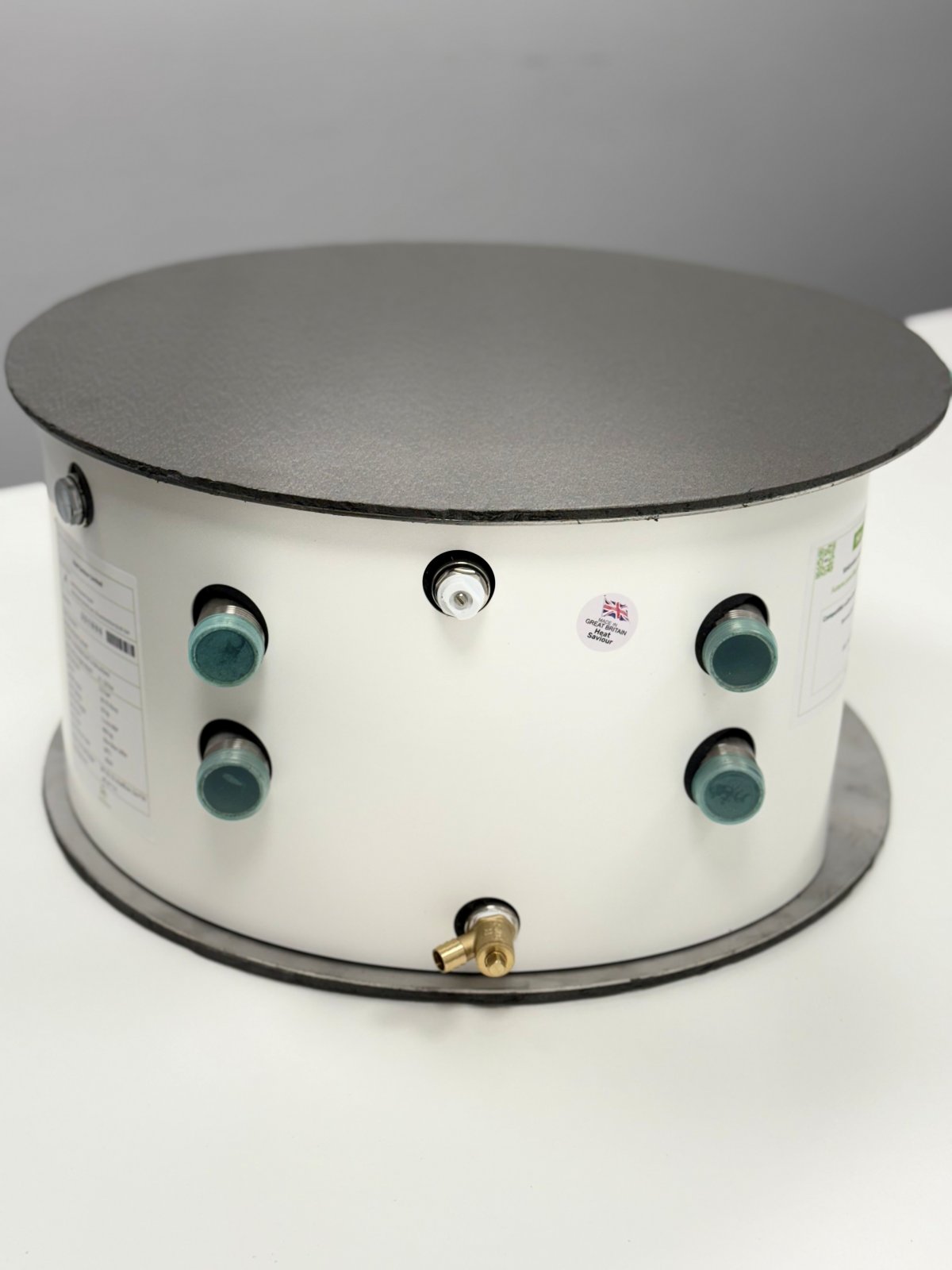

The South West is leading the way, alongside the South East, with 16,303 air-source heat pump installations completed since the launch of the Boiler Upgrade Scheme (BUS) in April 2022.
The Forest of Dean in Gloucestershire ranks second nationally, with 1.88% of households in the district having a heat pump installed under the scheme, according to new MCS data* analysed by Gloucestershire-based, Hewer Facilities Management.
Despite this regional success, currently only around 5% of the Government’s 2028 national target of 600,000 installations per year is being met in England and Wales. The publicly available data reviewed by Hewer, a leading heating, plumbing and building services provider, suggests that since the launch of the BUS scheme on average only 36,167 units have been installed per year.
The scheme provides grants of up to £7,500 to homeowners looking to upgrade their heating systems as an incentive to decarbonise their homes. The grants are only available through engineers certified through MCS, the UK’s quality mark for small-scale renewable energy technologies.
Despite the shortfall there is growing speculation that the eligibility criteria could be under review in the Autumn Budget on 26 November. Reports suggest the grant support could either be coming to an end, or more likely scaled back, including being made available to only those receiving certain benefits and/or low-income households.
Total installations by region under the Boiler Upgrade Scheme
To date the BUS has been more successful in England and Wales than its predecessor, the Domestic Renewable Heating Incentive (DRHI). From April 2022 to April 2025 there were 108,502 air source heat pump installations, compared to 68,833 under the eight-year duration of the DRHI.
Installations in domestic homes have been growing year on year with 22,642 in 2022, up 250% to 54,409 in the year to April 2025. Since January this year there have been 44,587 installations by MCS certified engineers.
The South West and South East have seen the most, with over 16,000 installations each. The East of England is third, while London has had more installed than the whole of the North East over that time. Wales in its entirety has had over 16,000, matching that of the south.
Across Gloucestershire there have been 2,288 installations since 2022, with the South Gloucestershire district leading the way with 714, and Stroud and Cotswolds having the second and third highest rates, 556 and 434 respectively.
The Forest of Dean is the second best performing local authority area, with 1.88% installations per household, marginally behind East Lindsey in Lincolnshire with 1.96%. The rest of the top five are made up of South Norfolk, North Kesteven, and Cornwall.
The worst performing areas are all based in and around the Capital. Only 0.04% of homes in Kensington and Chelsea have had an air source heat pump installed, with the London districts of Westminster, Tower Hamlets, Barking and Dagenham, and Harlow making up the bottom five.
Stuart Hesk, director at Hewer said: “The data highlights that the BUS grant is a better solution than its predecessor. This is most likely down to the way in which the scheme allows claimants to access the funding. The DRHI was paid in instalments whereas the BUS grant is paid in one lump sum, directly to installers.
“Although we are seeing year on year increase in installations, the figures suggest that there is still more to be done, especially if we as an industry want to support the roll out and the UK’s transition to greener energy technologies. In this instance changing the BUS eligibility criteria could be a backwards step, however there are other challenges that need to be addressed too. These include filling a shortfall in the workforce, educating consumers on best use practices, reviewing energy costs and tariffs, and reform to red tape, which is hampering the roll out, especially in vulnerable communities such as those living in social housing.”
While the BUS grant can only be accessed through MCS certified businesses and installers, there is currently no standardised qualifications for heat pump installers. This stands in sharp contrast to the rigorous training required of gas engineers and is “a likely cause of many of the horror stories regarding poor installations and high running costs” noted Stuart.
He also highlighted the need for greater collaboration between manufacturers to help reduce installation and repair costs, alongside action from government and energy companies to bring down electricity prices, pointing to Norway, Sweden and Finland as examples of countries where heat pump adoption is significantly higher, largely due to more affordable energy.
Stuart added: “The UK is one of the leading global parties in the transition away from fossil fuels, and technologies such as air source heat pumps have huge potential. If industry and government can work together to raise installation standards, simplify support schemes and bring down electricity prices, we can unlock far greater public confidence and accelerate installations at scale.”
Hewer Facilities Management
See all listings from Hewer Facilities Management
Newsletter
To sign up up for www.glos.info weekly newsletter, please click here.
Please mention www.glos.info when contacting this advertiser.


